Vous possédez un compte ?
Connectez-vous pour payer plus vite.
Chargement en cours...
mai 2024
juin 2024
Découvre pourquoi tu devrais commencer ton aventure probiotiques avec Bio-K+.
Nos formules scientifiquement étudiées sont conçues pour soutenir votre parcours unique de bien-être
Pregnancy is a time of profound change, and what you put into your body matters deeply. If you have been wondering whether probiotics during pregnancy are safe, you are far from alone. It is one of the most common questions women ask their healthcare providers, and it deserves a thorough, science-backed answer.
This guide walks through the current evidence on probiotic safety, the benefits that may support your digestive comfort across each trimester, and what to consider when choosing a probiotic designed with your well-being in mind. As always, speak with your healthcare professional before starting any new dietary supplement during pregnancy.
The World Health Organization defines probiotics as live microorganisms that, when administered in sufficient quantities, confer a health benefit on the host. In everyday terms, they are beneficial bacteria that contribute to a healthy gut environment. Probiotics for pregnancy is a topic that has been studied across numerous populations, and the current body of evidence is reassuring.
In the United States, probiotics are classified as dietary supplements and regulated by the FDA under DSHEA. When evaluating any probiotic supplement during pregnancy, look for products where the specific strains have been the subject of published research and where the manufacturer provides a guaranteed CFU count until the expiry date.
The relationship between maternal probiotic use and breastfeeding is an active area of research. For personalized guidance on continuing probiotic supplementation during lactation, always consult your healthcare professional.
That said, every pregnancy is individual. Always consult your healthcare provider before adding any new supplement to your routine, including probiotics, to confirm the right approach for your specific situation.
Not all probiotics are equivalent. Strain specificity matters considerably, and the research supporting one strain does not automatically apply to another. The following strains have been the subject of extensive investigation in pregnancy and maternal wellness contexts:
Lacticaseibacillus rhamnosus CLR2® is one of Bio-K+’s three proprietary, clinically studied strains and contributes to the comprehensive formulation behind Bio-K+ Original and Pro Line capsules.
Lactobacillus acidophilus occurs naturally in a healthy gut and vaginal flora and is among the most widely studied Lactobacillus species.
Lacticaseibacillus casei LBC80R® is one of Bio-K+’s three proprietary, clinically studied strains and contributes to the comprehensive formulation behind Bio-K+ capsules.
Generic probiotic blends and patented, clinically tested formulas are not the same thing. When reviewing a pregnancy probiotic capsule, look for a product where the specific strains have been the subject of published research, not simply a proprietary blend without transparent strain identification.
Pregnancy brings remarkable digestive changes. Hormonal shifts slow gastrointestinal transit, the growing uterus applies increasing pressure on the digestive tract, and many women experience constipation, bloating, and irregular flora as a result. These are not minor inconveniences. For many women, digestive discomfort becomes one of the most persistent challenges across all three trimesters.
Probiotics help support gastrointestinal health,† and they promote digestive and immune health.† Addressing intestinal flora during pregnancy is not simply about comfort in the moment. It is part of a broader picture of gestational wellness.
Research continues to deepen our understanding of the gut microbiome and how it shifts during pregnancy. The microbial balance in the gastrointestinal and vaginal microbiome changes across trimesters, and supporting that balance with a well-formulated probiotic is an area of growing scientific interest. It is also worth noting, from a purely informational perspective, that a baby’s first microbiome exposure occurs during vaginal birth. While no product efficacy claims are made here, the connection between maternal gut health and newborn microbiome seeding is an active area of research.
Digestive needs evolve across each stage of pregnancy, and understanding how your gut changes trimester by trimester can help you make more informed choices.
During the first trimester, morning sickness and nausea are common companions. Hormonal surges can disrupt the gut environment, and many women notice a shift in how their digestive system responds to food. Supporting intestinal flora during this period may help maintain a degree of digestive balance amid the disruption.
The second trimester brings relative respite from nausea for many women, but the growing uterus begins to apply increasing pressure on the digestive tract. This mechanical pressure can slow transit further and contribute to feelings of heaviness or discomfort.
By the third trimester, constipation is at its peak for many pregnant women. Preparing gut flora in the weeks before delivery is a practical approach that aligns with a proactive view of gestational wellness. A consistent probiotic routine throughout pregnancy supports ongoing digestive health across all three phases.
The postpartum period brings its own set of challenges for the gut. Delivery, possible antibiotic exposure during labor, and the significant hormonal transition of the postpartum phase all contribute to disruptions in intestinal flora. For many women, continuing a probiotic routine after delivery is a natural extension of the care they started during pregnancy.
A question many new mothers ask is whether probiotics transfer into breast milk. Research in this area is actively evolving. A growing body of evidence, including meta-analyses of randomized controlled trials, suggests that maternal probiotic supplementation may influence breast milk microbiome composition and infant gut microbiome development. For personalized guidance on probiotic use during breastfeeding, always consult your healthcare professional.
Probiotics while breastfeeding help support gastrointestinal health† during a period when the body is working hard to recover and nourish. The convenience of a shelf-stable capsule format is particularly well suited to the realities of a new mother’s daily routine: no refrigeration required, no preparation, no taste concern. Simply part of a simple, consistent wellness habit.
As with pregnancy, always consult your healthcare professional before continuing or starting any supplement during the lactation period. Individual health circumstances vary, and personalized guidance from a qualified provider is always the right first step.
The probiotic market is large, and not all products are created equal. When you are choosing a pregnancy probiotic capsule, a few key criteria separate a well-formulated product from a generic supplement.
Clinically studied strains. Strain specificity matters. Look for a formula where each strain is identified to species and strain level, and where the strains themselves have been the subject of published research.
CFU count guaranteed until the best-before date, not simply at the time of manufacture. Many products print their CFU count at manufacture, which can drop significantly before the product reaches you.
Shelf-stable capsule format. A targeted-release capsule is convenient, discreet, and does not require refrigeration. This matters during pregnancy when routines shift and nausea can make some formats less appealing.
Clean label. Vegan, gluten-free, and non-GMO options are available and appropriate for many women who prefer a simplified supplement profile during pregnancy.
Bio-K+ meets each of these criteria. With three exclusive patented strains backed by 16 published clinical trials and over 45 peer-reviewed publications, it brings a level of clinical documentation that is uncommon in the probiotic category.
Bio-K+ is available in both drinkable and capsule formats, and both use the same three-strain proprietary formula. The choice between them often comes down to personal preference and trimester-specific sensitivities.
Drinkable probiotics deliver live and active bacteria from the first sip and are a popular everyday format. However, for women in the first trimester managing nausea and heightened taste sensitivity, a flavoured drinkable can sometimes be difficult to tolerate.
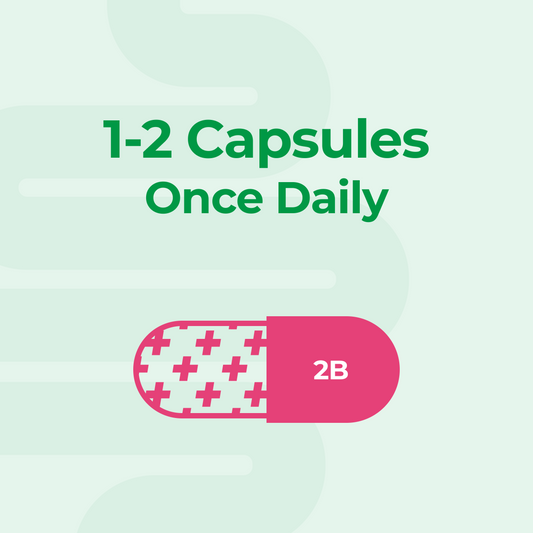
Capsules offer a shelf-stable, taste-neutral, targeted-release alternative that many women find easier to incorporate during pregnancy, particularly when nausea is a factor. One practical note: do not open or crush the capsules. The targeted-release technology depends on the intact capsule shell to deliver bacteria effectively to the gut. For consistent results, take your capsule at the same time each day. They can be taken with or without food.
Bio-K+ was founded on a simple premise: that probiotics should be built on science, not marketing. For more than 30 years, Bio-K+ researchers have developed, tested, and refined a formula centred on three proprietary, patented strains: Lactobacillus acidophilus CL1285®, Lacticaseibacillus casei LBC80R®, and Lacticaseibacillus rhamnosus CLR2®. These strains are not sourced from generic libraries. They are Bio-K+’s exclusive intellectual property, studied in 16 published clinical trials and referenced across 45 or more peer-reviewed publications.
Bio-K+ probiotic capsules are manufactured in Laval, Quebec, Canada. The bacteria count is guaranteed until the best-before date, not simply at the time of manufacture, giving you confidence that the potency on the label is the potency in the capsule.
The structure-function claims for Bio-K+ probiotic capsules reflect the rigor behind the formula: they help support gastrointestinal health,† and they promote digestive and immune health.† For pregnant and breastfeeding women seeking a science-backed choice, probiotic capsules for women represent a well-documented, trusted option.
If you are looking for more on daily probiotic use, Bio-K+ Extra Care capsules are formulated for consistent, everyday gut support and are a practical starting point for building a probiotic habit that carries through pregnancy and into the postpartum period.
The current body of science indicates that probiotics, particularly Lactobacillus and Bifidobacterium strains, are generally considered safe during pregnancy. Multiple meta-analyses have found no evidence of increased adverse fetal outcomes. As with any supplement during pregnancy, always consult your healthcare provider before starting.
Bio-K+ probiotic capsules contain clinically studied strains and are formulated to help support gastrointestinal health† and promote digestive and immune health.† Consult your healthcare professional before starting any new supplement during pregnancy to confirm it is appropriate for your individual needs.
Many women begin probiotic supplementation during the first trimester to support digestive comfort throughout pregnancy, as hormonal changes can disrupt gut flora early on. Others begin in the second or third trimester. Your healthcare provider can guide the timing and dosage based on your individual health profile.
Many women continue their probiotic routine throughout the postpartum period to help support gut health recovery. As with pregnancy, always confirm with your healthcare professional that continuation is appropriate for you.
Both Bio-K+ formats use the same three clinically studied proprietary strains. Capsules offer a shelf-stable, taste-neutral, targeted-release option that many women find easier to manage during pregnancy, particularly in the first trimester when nausea and taste sensitivity are common. Drinkables are a well-established everyday format for those who prefer it and tolerate it well.
† These statements have not been evaluated by the Food and Drug Administration. This product is not intended to diagnose, treat, cure or prevent any disease.
Suis @biokplus et tague-nous pour être mentionné.e. @biokplususa Suis @biokplus et tague-nous pour être mentionné.e.